
Replacing Safety Nets: A Guide To UK Safety Netting Regulations
Safety netting in the UK must adhere to strict regulations to ensure compliance with insurance requirements and to protect workers and the general public. Knowing the hows, whys, and whens of replacing safety nets helps you stay compliant.
Whether for fall arrest, debris protection, scaffold towers, or other purposes, safety netting plays a critical role in preventing accidents and injuries on construction sites.
Therefore, construction companies, warehouse operators, contractors, and other relevant parties need to understand and adhere to proper safety standards.
We've compiled a list of key things you need to know about safety netting regulations in the UK to help you ensure compliance and maintain a safe working environment.
Replacing Safety Net Guidance At A Glance:
- Safety nets should be inspected daily or weekly on-site and formally tested annually to remain compliant with BS EN 1263-1 regulations.
- Most safety nets have a certified lifespan of 12 months, but this can be extended if they pass annual safety testing and inspections.
- Safety netting should usually be replaced after a major fall event, excessive repairs, or damage to critical load-bearing areas and border ropes.
- Replacing damaged scaffold safety netting is often more cost-effective and safer than repairing non-compliant or heavily worn nets.
- Missing ID tags, chemical contamination, frayed ropes, and mesh breaks are key warning signs that a safety net may need replacing immediately.
The Lifespan of a Safety Net
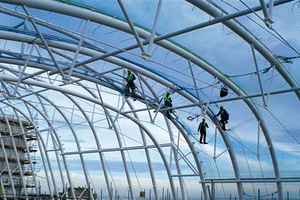
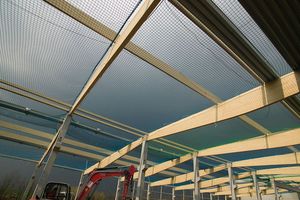
According to BS EN 1263-1, safety nets typically come with a certified lifespan of 12 months from the date of manufacture.
This standard ensures that the nets maintain their structural integrity and performance during this period.
However, it's important to note that the lifespan can be extended if the nets undergo and pass annual testing as per BS EN guidelines.
Regular inspections and validations are critical to ensuring the continued safety and compliance of the equipment.
Removable test patches are small sections of a safety net that are exposed to the same conditions as the net itself. It's this patch that's removed for testing. This method allows for an accurate safety assessment without damaging the net.
Order BS EN Compliant Safety Netting
How Often Should a Safety Net be Inspected?
Site foremen or project managers should carry out daily or weekly inspections. This is crucial to ensure any damages or wear and tear are addressed immediately.
However, the official annual safety inspections mentioned above should also be carried out by a competent person or body to maintain compliance with government-outlined safety netting standards.
On-Site Inspection Checklist
Here's a short on-site inspection checklist that should be carried out regularly to ensure continued construction site safety:
- Frayed Border Ropes: Look for damage to the 30kN border rope, which compromises the net's strength and security.
- Knot Slippage or Mesh Breaks: Inspect for broken strands or mesh sections that cannot be properly repaired or bridged.
- Chemical Contamination: Check for signs of exposure to acids, solvents, or high heat, such as welding sparks, which can weaken the net's integrity.
- Missing Tags: Ensure the ID tag or serial number is intact. Without this, the net cannot be traced and is considered legally "dead."
Official Safety Net Testing With Huck Nets
Here at Huck Nets, we have a team of qualified technicians who can carry out annual safety netting inspections and provide any necessary repairs or replacements to ensure compliance with regulations.
We are able to do this for both our own safety nets and those of other manufacturers.
We test the breaking strain of the net using the net patches method in accordance with the requirements of BS EN 1263-1.
Following a successful test, we'll provide you with an official report for your records and offer any necessary repairs or replacements.
Enquire About Safety Net Testing
What Happens if the Net Fails the Test?
If a safety net fails an annual inspection, it must be taken out of service, and the necessary repairs or replacements must be carried out before it can be used again.
This is why regular inspections are crucial to identify any potential issues before they become a hazard.
Repair Vs. Replace: The 3 Critical Indicators
Not every net that's damaged will need to be fully replaced; sometimes, a professional repair is enough to meet BS EN 1263-1 standards. Here are some basic indicators as to whether you should repair or replace your safety netting:
Indicator 1: The 2-Repair Rule
According to industry standards, a single safety net should generally not exceed two significant repairs.
This guideline ensures that the net's structural integrity remains reliable and adheres to safety protocols.
Beyond two major repairs, the net is professionally deemed compromised, as further fixes may not fully restore its strength or functionality to meet BS EN 1263-1 standards.
Indicator 2: Impact Events
If a safety net has arrested a fall, it must be removed from service immediately. This applies whether it has caught a person or heavy debris.
Once removed, a qualified professional must inspect the net thoroughly. The inspection will check for visible damage like tears, frays, or distorted mesh, and also examine the attachment points and border ropes. The net may also be tested to ensure its fibres still have the necessary strength.
If the inspection reveals any significant damage to the net's structure, it must be replaced, not repaired. This ensures compliance with BS EN 1263-1 standards and protects against future hazards.
Indicator 3: Size & Location of Damage
According to FASET SN08 guidelines, if damage is identified in the border rope or extends across multiple meshes in a load-bearing section, replacement is often recommended as the most cost-effective and safest option.
Attempting to repair such critical areas may compromise the net's structural integrity and ability to securely absorb forces, potentially increasing the risk of failure.
Therefore, replacing the damaged net ensures compliance with safety standards and provides enhanced protection against future incidents.
Why Replacing is Often Cheaper Than Repairing
When evaluating the costs, the price of a new 100mm mesh fall arrest net is often comparable to or even lower than the combined expenses of shipping, professional repair, and re-certification of an old net.
Repairing an old net not only requires specialised labour but also includes the additional costs of transportation and inspection to ensure compliance. Furthermore, the risks associated with using a repaired net can be significant.
If inspectors identify non-compliant netting on-site, your project could face unlimited fines or even a complete shutdown, which would result in severe financial and reputational consequences.
Opting for a new fall arrest net eliminates these risks, as it comes with a fresh 12-month certification and guarantee. This ensures the net is fully compliant with all safety regulations, giving you peace of mind and safeguarding the safety of your workers, your project timelines, and your budget.
See How Our Repair Services Can Help
How to Safely & Legally Dispose of Old Safety Nets
To prevent end-of-life safety nets from being scavenged and reused dangerously, it's essential to render them completely unusable before disposal.
This can be achieved by cutting the nets into small, unrecognisable pieces before disposal. This can be achieved by cutting the nets into small, unrecognisable sections.
By doing this, you eliminate the risk of the nets being retrieved from waste sites and improperly used in situations where they no longer meet safety standards.
Key Takeaways: Ensure Site Compliance With UK Safety Net Regulations
Staying up to date with safety netting regulations in the UK is essential for maintaining a safe working environment on construction sites. There are specific requirements for the installation, inspection, and maintenance of safety nets, and these should be adhered to by both employers and employees.
Regular inspections, both daily/weekly and annually, are necessary to ensure compliance with safety netting standards and identify any potential hazards.
Staying BS EN-1263-1 Compliant With Huck Nets
At Huck Nets, we're committed to helping businesses comply with regulations and ensure the safety of workers and the public. That's why we offer annual safety net testing for all safety net products, whether bought from us or not.
Contact us today for more information on our safety netting services, including testing, repair, and supply.
Find Out About Our Safety Net Testing
FAQs
When Should Safety Nets on Building Sites Be Replaced?
Who Can Install Safety Netting?
Check out the installation services from our sister company HuckTek.
How Often Do Safety Nets Need to Be Tested?
Can Safety Netting Be Made to Order?
Please Note: 100mm mesh safety nets can only be certified if the net width exceeds 5m and the overall square meterage exceeds 35 sqm. If you need a certified safety net smaller than 35 sqm, please use 45mm mesh .
Does Safety Netting Need to Be Replaced After Every Fall?
In most cases, the net will need to be replaced after a fall to ensure its continued effectiveness in preventing future falls.