
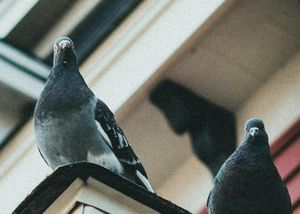
How to Bird-Proof Eaves: What You Need to Know About Protecting Your Soffits & Rooflines
If you've ever been woken up by birds nesting above your head, you'll know how disruptive it can be and why knowing how to bird-proof eaves is a valuable homeowner skill.
Eaves and soffits are prime real estate for nesting birds, offering shelter, warmth, and protection from predators. But while it's hard not to admire nature's resourcefulness, the reality is far less charming. Noisy disturbances, blocked gutters, and droppings can cause structural damage and pose health risks.
The good news is, there are humane, effective, and legally compliant ways to bird-proof your eaves for good.
Quick Summary: How to Bird-Proof Eaves
- Adhere to UK Nesting Laws: Under the Wildlife and Countryside Act 1981, active nests cannot be disturbed; bird-proofing must be carried out outside the active nesting season, ideally between September and February.
- Install Physical Exclusion Proofing: Use heavy-duty, UV-stabilised netting across deep soffits or install galvanised soffit mesh over timber gaps to physically block birds from accessing rooflines.
- Select Target Mesh Sizes: Ensure netting mesh matches the target bird species, using 19mm for small birds (sparrows/swallows), 28mm for starlings, and 50mm for pigeons.
- Deter Perching on Flat Edges: Fit stainless steel bird spikes or post-and-wire systems along fascia boards and guttering to eliminate landing spots without causing harm.
- Combine Barriers with Sensory Tools: Enhance physical barriers like netting and mesh with secondary visual or sensory deterrents (e.g., optical fire-gels or reflective devices) for a complete bird-proofing strategy.
The Legalities of Bird-Proofing Eaves: UK Nesting Laws & Regulations
Under the Wildlife and Countryside Act 1981, all wild birds, their nests, and eggs are afforded legal protection while the nests are in use or under construction. It is a criminal offence to intentionally damage, destroy, or interfere with an active nest.
This legislation underscores the importance of planning bird-proofing activities carefully to ensure compliance with UK law and the safety of nesting birds.
To remain within the law, bird-proofing can only take place outside the active nesting season, which typically runs from March to August, though this can vary slightly depending on species and weather conditions.
The recommended window for bird-proofing activity is from September to February, when most birds have completed their breeding cycles, leaving nests inactive and abandoned.
Special Species Considerations
- House Martins & Swallows
These birds are known for constructing distinctive mud nests, often directly under eaves. Active mud nests are strictly protected under the Wildlife and Countryside Act, meaning they cannot be removed while in use. This makes early prevention prior to nest building essential. - Starlings & House Sparrows
Both starlings and house sparrows are red-listed species in the UK, highlighting their population decline and conservation priority. These birds are adept at squeezing through even tiny soffit gaps to establish nests. Again, it's crucial to seal potential entry points outside of the nesting season or wait until the nest is inactive to avoid any harm.
The best practice is to be bird-proof before nests are built, ensuring all preventative measures are in place ahead of the active nesting season.
However, if nests are already present, it is vital to wait until the young have fledged and the nest has been abandoned before taking any action. This ensures compliance with the law while respecting wildlife conservation efforts.
How To Bird-Proof Eaves
There are a few simple steps involved in effectively bird-proofing your eaves. We've broken them down to make the process simple.
1. Identify the Bird Species & Activity Level
When it comes to bird-proofing your eaves, a universal solution is rarely effective due to the varying behaviours and needs of different bird species.
Tailoring your approach to the type of birds and the level of pressure they exert ensures better and more sustainable results.
High-Pressure Areas (Nesting & Roosting)
Birds: Pigeons, Swallows, House Martins, Sparrows, Starlings.
Behaviour: These birds tend to engage in active nest building or roosting overnight, taking shelter under eaves or similar structures. Their presence is persistent and constant, making it a high-pressure problem.
Required Action: To address this, physical exclusion is the most effective method. Options such as netting or heavy-duty wire mesh can prevent access to potential nesting or roosting spots, providing a long-term solution against these high-pressure behaviours.
Low-to-Medium Pressure Areas (Perching)
Behaviour: Birds in these areas typically land temporarily on fascia boards, gutter edges, or exposed beams without nesting or roosting. This intermittent activity poses a moderate level of disturbance.
Required Action: Anti-perch systems like bird spikes or post-and-wire setups are practical solutions. Additionally, visual or sensory deterrents such as reflective objects or sound emitters can work effectively to discourage birds from perching in these spots.
By carefully matching your intervention to the specific bird type and their level of activity, you can ensure a bird-proofing solution that is both humane and highly efficient.
Here's a handy table to help you identify potential problems and their solutions:
| Bird Species | Typical Eave Activity | Recommended Proofing Method | Ideal Mesh / Tool |
|---|---|---|---|
| Pigeons & Gulls | Roosting on ledges/nesting in deep eaves | Heavy-Duty Bird Netting or Spikes | 50mm Netting / Stainless Spikes |
| Starlings & Doves | Nesting in soffit gaps & corners | Medium Bird Netting/Eaves Mesh | 28mm Mesh Netting |
| Sparrows & Swallows | Mud nests under eaves / small timber gaps | Fine Mesh Netting/Swallow Shields | 19mm Fine Netting or Soffit Mesh |
2. Choose The Best Method to Bird-Proof Eaves
There are a few main methods that offer effective and humane protection against birds nesting in your eaves. Here are our recommendations:
Method 1: Heavy-Duty Bird Netting
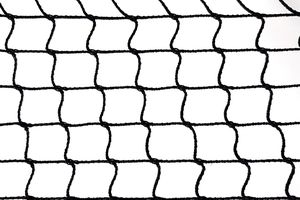
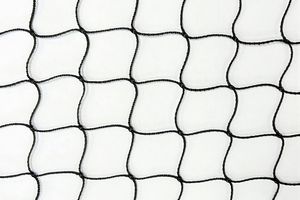
Heavy-duty bird netting creates an impenetrable physical barrier across the underside of the eave, preventing birds from accessing potential nesting sites without causing them harm.
This humane solution is ideal for protecting your property while ensuring the safety and well-being of local wildlife.
Heavy-duty bird netting is particularly effective for deep soffits, overhangs, structural steel, and open-beam roofs, providing comprehensive coverage and long-lasting protection in these challenging environments.
Our heavy-duty netting is crafted from UV-stabilised, weather-treated polypropylene and polyethylene, ensuring durability and resistance to environmental wear, making it a reliable choice for long-term bird-proofing.
Mesh Size Selection:
- 19mm Mesh – Ideal for small birds such as sparrows and swallows.
- 28mm Mesh – Suitable for medium-sized birds like starlings.
- 50mm Mesh – Perfect for larger birds, such as pigeons.
By selecting the appropriate mesh size, this versatile netting can be customised to address a variety of bird-proofing needs effectively.
Opt for fire-retardant bird netting for extra peace of mind!
Shop Our Heavy-Duty Bird Netting
Method 2: Soffit Mesh & Eaves Support Protectors
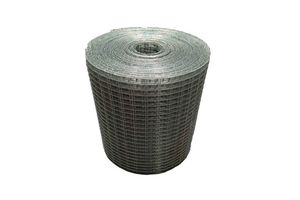
Soffit mesh is designed to seal gaps between the roof overhang, tile edges, and exterior walls, providing an effective barrier against small birds. By blocking these entry points, it prevents birds from creeping underneath roof tiles or through damaged soffit boards, reducing the risk of nesting and damage to your property.
These meshes are most commonly made from durable materials like galvanised steel mesh or rigid UV-resistant plastic, ensuring long-lasting protection against weathering and persistent pests.
Method 3: Bird Spikes & Post-and-Wire Systems
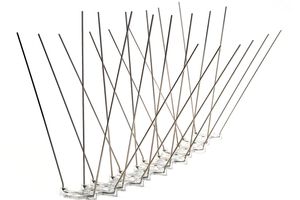
Bird spikes are an effective solution to prevent birds from landing on flat edges, gutters, and fascia boards located directly beneath eaves.
Designed specifically for edge-perching protection in non-nesting areas, they deter birds by creating a physical barrier that eliminates comfortable landing spots.
Our stainless steel bird spikes feature UV-stable polycarbonate bases, ensuring reliable protection throughout the year, even in harsh weather conditions.
For a more discreet alternative, our post-and-wire systems provide a durable and subtle option, blending seamlessly with your property while keeping birds at bay.
Method 4: Visual & Sensory Secondary Deterrents
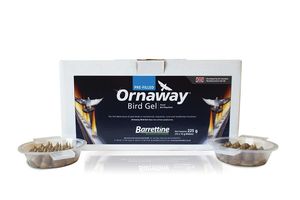
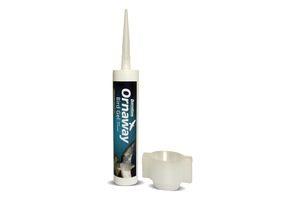
Visual and sensory deterrents work by temporarily frightening or disorienting birds through a combination of optical effects or aromatic gels.
These solutions include options such as optical bird gel, like Ornaway® with its “fire-gel” effect, reflective tape that creates flashes of light, and motion-activated devices that startle birds with sudden movements or sounds.
While these deterrents can be effective in the short term, they are best utilised as supplementary tools alongside physical barriers like netting or spikes.
Over time, birds may become accustomed to sensory deterrents if no physical solutions reinforce the protection, so combining methods ensures more reliable and long-lasting results.
How To Install Bird Netting Under Eaves: Step-By-Step
| Step | Action | Objective & Description | Key Tools & Materials | Pro Tip / Safety Note |
|---|---|---|---|---|
| Step 1 | Inspect & Clean the Eaves | Inspect the soffits, fascias, and roofline. Remove old, abandoned nest material and clean away guano to ensure a secure, hygienic installation area. | • Ladder / Scaffolding • Disinfectant spray • PPE (Mask & Gloves) • Scraper |
UK Law Check: Ensure there are no active nests, eggs, or chicks present before cleaning. |
| Step 2 | Measure & Select Mesh | Accurately measure the length and depth of the eave overhang to order custom-cut netting without waste. | • Tape measure • Correct mesh netting (19mm, 28mm, or 50mm) |
Match the mesh size to the target species (e.g., 19mm for swallows/sparrows, 50mm for pigeons). |
| Step 3 | Install Fixings & Frame Wire | Anchor corner eye bolts and intermediate fixings into the soffit timber, brickwork, or fascia. Thread and tighten stainless steel wire around the perimeter. | • Eye bolts / Anchors • Stainless steel wire • Barrel strainers / Turnbuckles • Wire rope grips |
A rigid, tightly tensioned perimeter wire prevents the net from sagging or creating gaps over time. |
| Step 4 | Attach & Tension Netting | Hook the netting corners to the frame wire, stretch it drum-tight across the span, and secure every mesh square to the perimeter wire. | • Heavy-duty bird net • Hog ring pliers & hog rings (or net clips) • Netting shears |
Keep the net stretched taut so birds cannot push behind it or get caught in loose mesh folds. |
Common DIY Errors to Avoid
Any DIY project has the scope for errors that make your bird protection less effective. Here are our top errors to avoid when installing netting.
- Leaving Small Gaps: Sparrows and starlings can enter openings as small as 20mm.
- Using Cheap, Non-UV Treated Netting: Garden netting breaks down quickly under sunlight and rots in winter.
- Loose Netting: Sagging net can trap birds; netting must be tautly tensioned.
- Ignoring Structural Maintenance: Netting over rotten soffit timber without repairing it first leads to structural deterioration.
Opt for Professional Installation
If you're not confident in tackling a DIY bird netting installation, there's no need to worry. Opting for professional installation services ensures that the job is done to the highest standards, minimising potential errors and guaranteeing long-lasting results.
Our sister company, Huck Tek, specialises in professional bird netting installations. With their expertise, you can trust them to install your netting safely and effectively, providing a reliable deterrence against pests while maintaining the integrity of your property.
Learn More About Huck Tek Services
Maintenance & Long-Term Eave Care Tips
Proper maintenance of your eave protection system ensures long-term effectiveness and durability. Below are essential tips to keep your eave netting in optimal condition:
| Maintenance Task | Frequency / Timing | Action Required | Purpose & Best Practice | Key Tools / Recommended Kit |
|---|---|---|---|---|
| Seasonal Inspection | Twice yearly (Autumn & Spring) | Inspect netting, perimeter tension wire, and anchor fixings for wear, slack, or structural movement. | Catches early damage caused by seasonal weather changes before system failure occurs. | Visual inspection / Access equipment (ladder or scaffold) |
| Debris Removal | Routine schedule (and after heavy weather) | Clear accumulated leaves, twigs, and organic debris resting on top of the mesh netting. | Prevents excess weight from causing net sagging, strain on fixings, or structural stress. | Soft broom, telescopic pole, or protective gloves |
| Repairing Damage | As needed (promptly upon detection) | Patch small mesh tears and replace worn or corroded fixings/clips. | Restores complete bird exclusion and significantly extends the total lifespan of the system. | Repair Kits (including replacement mesh, hog rings, and fixings) |
By following these maintenance practices, you can safeguard your property and ensure your eave netting performs reliably year-round.
Summary: How to Bird-Proof Eaves Effectively & Humanely
Physical exclusion methods, such as netting and wire mesh, are the most effective and humane solutions for permanently bird-proofing eaves. By creating a barrier that prevents birds from accessing rooflines, these methods ensure long-term protection without causing harm.
However, it's essential to ensure full compliance with UK wildlife laws before beginning any roofline work, particularly during nesting seasons, to avoid disturbing protected species.
Protect Your Property With Huck Nets Bird Proofing
At Huck Nets, we stock a wide range of effective and humane bird deterrents to help protect your roof and eaves from nesting birds.
Our selection includes durable heavy-duty bird netting, versatile bird spikes, and discreet bird gels, all designed to provide long-term solutions without causing harm to wildlife.
Explore our full range of bird deterrents online today to find the ideal solution for your needs.
FAQs
How Can I Keep Birds Out of My Soffit?
Install bird netting or spikes around the soffit area, seal gaps with durable materials, and use bird-repellent gels or decoys to discourage birds from nesting or roosting.
How to Keep Birds Away from Eaves?
Install bird spikes or netting, seal gaps, and use reflective deterrents or ultrasonic devices to prevent birds from accessing and nesting in your eaves effectively.
Do You Offer Bird Netting Installation?
Yes, we offer bird netting installation through our sister company, Huck Tek, ensuring professional and effective solutions to keep your property protected from birds.
Are Bird Spikes Harmful to Birds?
No, bird spikes are designed to deter birds without causing harm. They create an uneven surface, making it difficult for birds to land or perch safely.