
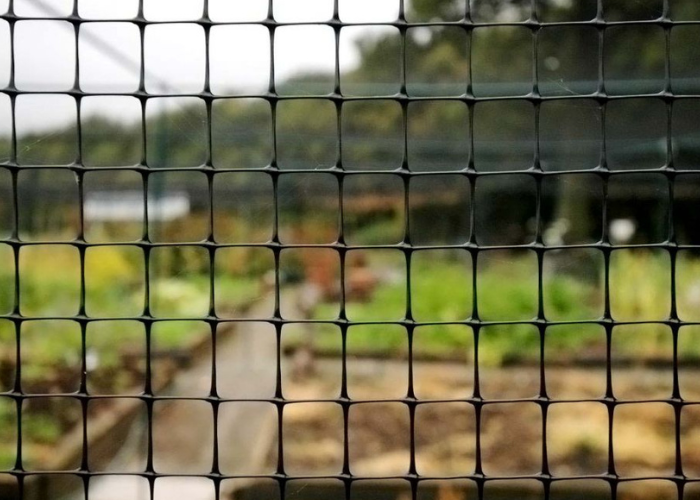
How to Stop Birds From Pooing On Your Garden & Patio This Season
Persistent bird droppings in your garden are one of the biggest pet peeves of homeowners. Knowing how to stop birds from pooing in your garden can help you enjoy a clean, beautiful outdoor space all year round, and we’ve got all the tips and tricks you need.
Our team of bird control experts has compiled a list of their favourite and most effective bird deterrents that you can use in your garden to keep unwanted birds (and their droppings) at bay.
How to Stop Birds Pooing on Your Patio or Deck
Keeping birds away from your patio or decking can be difficult, especially if you don't want to cause harm to the birds or make your garden look uninviting to your guests or other wildlife.
If you want something less harsh-looking than spikes but a bit more than a wind chime, our tried-and-tested bird deterrent methods can help.
| 1. Install Bird Netting |
| 2. Install Bird Spikes |
| 3. Use Reflective Surfaces |
| 4. Use Bird Gel |
| 5. Use Ultrasonic Deterrents |
| 6. Remove Bird Baths |
| 7. Remove Bird Feeders |
1. Install Bird Netting
One of the most effective measures for keeping birds away from your garden and keeping it clean is to install bird netting.
Bird netting works as a physical barrier, preventing birds from accessing certain parts of your garden where they're likely to leave droppings, such as over fruit trees, vegetable patches, or directly over your patio or decking area.
This is a versatile and discreet way of deterring birds from your garden.
The netting can be installed at varying heights and can cover large areas without detracting from the aesthetic appeal of your garden.
Not only does garden bird netting prevent bird poo accumulation, it also protects your plants and fruits from being eaten or damaged by birds.
At Huck Nets, our bird netting is made from durable, UV-stabilised, rot-proof materials that are designed to be barely noticeable from a distance, ensuring your garden remains visually attractive as well as clean.
2. Install Bird Spikes
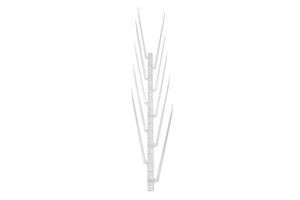
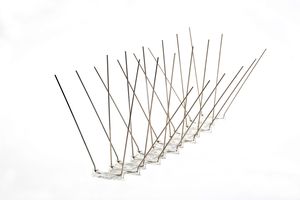
Bird spikes are an effective deterrent for birds as they create an uncomfortable landing spot, discouraging them from perching on ledges, fences, or other areas around your property.
Bird spikes are a humane option as they do not harm the birds but simply make it difficult for them to roost. There are discreet options that blend seamlessly into the surroundings, ensuring that your property remains bird-free without compromising its aesthetics.
We stock a wide range of bird spikes to keep your property free from bird damage. Our Pigeon Bird Spikes are available with adhesive, so you have everything you need to easily install them upon delivery.
Our Pinpot Chimney Pot Spike is an ideal option for covering all your bases and keeping birds away from your garden and patio. We also stock Sparrow Spikes to help keep smaller birds away from certain areas of your garden.
3. Use Reflective Surfaces
Reflective surfaces naturally deter birds due to the unpredictable flashes of light that they emit. The sudden changes in light intensity and direction confuse and startle birds, making them uneasy and discouraging them from settling down and leaving droppings in your garden.
If you're looking to use reflective surfaces to deter birds from your garden, there are a few DIY options that are practical and cost-effective.
- Hanging old CDs or DVDs from trees or along patio edges can provide a simple yet effective solution. The light reflected by the discs can unsettle birds without causing any harm.
- Attaching small pieces of aluminium foil to string or creating reflective ribbons to drape around your garden can serve the same purpose without sacrificing your favourite album or movie.
- You can also hang mirrors from your garden fence or wall, which can also help to make your outside space look bigger and brighter. Make sure you don't fully secure them to the fence, or they won't move around and scare the birds away.
As a bonus, these reflective items add an element of dynamism and sparkle to your garden's aesthetics as well as keeping it clear of bird droppings.
[image]
4. Use Bird Gel
Bird gel is a safe and effective bird deterrent that works by creating a visual and olfactory deterrent to discourage birds from landing on a surface.
The gel smells unpleasant to birds and, when viewed with birds’ UV vision, appears to be on fire. This presents the gel as a danger to unwanted birds and prevents them from landing or settling on your roof or ledge.
It is long-lasting and weather-resistant, making it a reliable solution for keeping birds off ledges, roofs, and other areas where they are not wanted.
We stock pre-filled dishes of Ornaway® Bird Gel that allow you to instantly place deterrents on your wall or ledge without permanent fixings.
[image]
5. Use Ultrasonic Deterrents
For something a little less intrusive on your garden aesthetics, ultrasonic bird deterrents offer a modern, simple method to keep your garden free of bird droppings.
These devices emit sound waves at frequencies that are uncomfortable for birds but are beyond the range of human hearing, ensuring the peace in your garden remains undisturbed.
The discomfort caused by these high-frequency sounds discourages birds from entering the area, thereby preventing them from leaving droppings.
This is an ideal option for people seeking a hands-off approach, and it can be installed around your garden or patio, providing continuous protection with very little maintenance.
The environmentally friendly, harmless nature of these deterrents makes them the preferred choice for many garden enthusiasts. They can also double up as an effective cat deterrent if you're plagued by them as well.
[image]
6. Remove Bird Baths
Bird baths make an attractive garden feature, but they can, unfortunately, act as a magnet for birds (the clue's in the name!), naturally inviting them into your garden. This increased avian presence inevitably leads to a higher likelihood of bird droppings on your patio or decking area.
Removing bird baths from your garden effectively reduces the number of birds frequenting the area.
Without the allure of fresh water to bathe in or drink from, birds are naturally less inclined to visit and linger in your garden, subsequently reducing the chances of them leaving droppings behind.
If you're keen on maintaining a clean, bird-poo-free outdoor space, consider alternative, less attractive water sources for wildlife or placing bird baths far from patios, porches, and decking areas.
[image]
7. Remove Bird Feeders
Just like bird baths, bird feeders attract a variety of avian visitors to your garden.
While it's delightful to watch these feathered friends up close, bird feeders can inadvertently encourage birds to congregate and, consequently, increase the probability of bird poo accumulating in your garden.
By removing or, at least, relocating your bird feeders away from areas where you wish to minimise bird presence, such as your patio or seating areas, you can significantly reduce the amount of bird poo.
This method isn't necessarily about stopping feeding birds entirely but rather being strategic about their placement.
Positioning them at the periphery of your garden or areas less frequented by people can help keep the core areas of your garden clean and inviting while still enjoying the charm of having birds around.
[image]
Why is Bird Poo Dangerous?
Bird droppings can be harmful due to the presence of pathogens, bacteria, and fungal infections. Some of the most common ones include…
- Salmonellosis: Often referred to simply as Salmonella, this bacterial infection can cause severe stomach cramps, diarrhoea, and vomiting. It is contracted through ingesting contaminated food or water.
- Cryptococcosis: Primarily affecting individuals with compromised immune systems, this fungal disease is spread through inhaling the spores found in pigeon droppings. It can cause lung infections and, if not treated, may spread to the central nervous system.
- Psittacosis (also known as Parrot Fever): Transmitted to humans through inhalation of airborne particles from bird droppings and primarily affects individuals who frequently handle birds.
- Histoplasmosis: This infection is caused by a fungus that grows in the droppings of birds and bats. People can get histoplasmosis after breathing in the microscopic fungal spores from the air.
- E. coli: While most commonly associated with undercooked meat and contaminated vegetables, certain strains of E. coli can be found in bird faeces and pose a threat to human health when individuals come into contact with contaminated water or soil.
These can cause serious health issues if not handled properly. Additionally, bird poo is acidic, leading to the potential erosion and damage of various surfaces, including patio furniture, decking, and cars.
The health risks combined with the potential for property damage make it essential to manage and prevent bird droppings in areas of human activity.
Do Bird Droppings Damage Property?
Yes, bird droppings can significantly damage property. The high acidity levels of bird poo can corrode and damage various surfaces such as car paint, wooden decking, outdoor furniture, and building facades.
Over time, the acidic nature of the droppings can etch into the surface material, leading to permanent damage if not promptly and properly cleaned.
Consistent and effective measures to prevent birds from pooing in frequently used outdoor areas are essential to maintain the integrity and appearance of your property.
How to Remove Bird Droppings From Your Property
Removing bird droppings from your property requires careful handling. Begin by wearing protective gloves to avoid direct contact.
If the droppings are dry, dampen them with water to prevent dust. For hard surfaces like patios or furniture, mix a solution of warm water and dish soap or a specialised cleaning agent.
Use a soft brush or cloth to gently scrub the area, then rinse with clean water. For delicate surfaces, consider a weaker solution and test a small area first.
Always dispose of any cleaning materials used to prevent cross-contamination, and wash your hands thoroughly after the cleanup.
Shop Our Cleaning Products & PPE
Summary: Preventing Bird Poop With a Bird Deterrent System
Preventing birds from leaving droppings on your property requires a multifaceted approach. Whether it's through the use of water deterrents, reflective surfaces, visual and ultrasonic devices, or physical barriers like netting, each method offers a solution to keep your outdoor areas clean and safe.
Try these methods in your garden, and you can enjoy a bird-poo-free environment, protecting both your health and your property.
Keep Your Garden Free From Birds' Mess With Huck Nets
We stock a wide variety of bird netting solutions designed to keep your garden clean and free from bird droppings. Durable and effective, our netting suits all garden sizes and needs.
Shop our full bird netting range online today and protect your outdoor spaces with ease!
FAQs
How Do I Get Rid of Birds' Poo on My Patio?
Keeping birds off your patio requires a multi-pronged approach. Try using visual deterrents, ultrasonic devices, or bird netting.
Move your visual deterrents around regularly so birds don't get used to them, while ultrasonic devices will discourage birds with noise.
For a more permanent fix, bird netting physically blocks birds from accessing your patio altogether.
When Will My Bird Netting Be Delivered?
Most netting orders are shipped within 3-5 days and delivered quickly via an overnight courier, ensuring fast and efficient service for your bird control needs.
What is the Most Effective Bird Repellent?
The most effective way to repel birds is by creating a physical barrier with bird netting. This completely stops them from reaching your garden and plants. Unlike sound or visual deterrents that birds eventually get used to, a physical barrier always works.
Will a Plastic Owl Keep Birds Away?
A plastic owl can serve as an effective bird deterrent initially, making use of the bird's natural fear of predators.
However, its effectiveness may decrease over time as birds realise it poses no real threat. To maintain its efficiency, it's recommended to move the owl periodically to different spots within the area you wish to protect.