
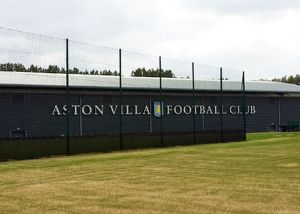
The Importance of Ball Stop Netting: Protecting Sports Grounds, Property, and Spectators
Understanding the importance of ball stop netting becomes immediately clear when you consider the risks posed by stray balls travelling at high velocity during matches or training sessions.
Far more than a minor inconvenience, the importance of ball stop netting lies in its ability to prevent immediate safety hazards, protect against costly property damage, and keep game flow uninterrupted.
Whether it's a misdirected football shot cleared over the crossbar, a pulled golf drive near a perimeter boundary, or a hard-hit cricket ball travelling toward a spectator area, the importance of ball stop netting is evident; uncontained sports equipment poses significant operational risks for facility owners.
Key Takeaways: Why Is Ball Stop Netting Important?
- Spectator & Public Safety: Protects fans, school pupils, and nearby pedestrians from high-impact sports injuries.
- Property & Vehicle Defence: Prevents stray balls from smashing glass windows, damaging parked cars, or spilling onto busy public roads.
- Duty of Care & Liability Reduction: Helps facility managers meet UK safety guidelines and lowers the risk of costly insurance claims.
- Enhanced Gameplay Efficiency: Keeps balls contained within pitch perimeters, eliminating search delays and reducing equipment loss.
- Positive Neighbour Relations: Prevents trespass issues and boundary disputes with neighbouring residential properties.
Core Reasons Why Ball Stop Netting Is Essential
Ball stop netting doesn't just make retrieving errant balls easier; there are a few core reasons why your football ground or training facility needs quality ball stop netting.
1. Public Safety & Duty of Care Compliance
Under UK Health and Safety guidance and general common law duties of care, sports facility operators, including local councils, academies, and private clubs, must take reasonable steps to prevent injury to visitors and passersby.
Footballs, rugby balls, cricket balls, and golf balls can easily travel at speeds between 50 mph and over 100 mph. At those velocities, an unexpected impact can cause severe physical harm.
Installing heavy-duty ball stop netting behind goalposts, along touchlines, and around pitch perimeters forms a protective shield that catches high-flying balls before they reach crowd areas or public walkways.
2. Preventing Costly Property & Vehicle Damage
Without effective perimeter containment, stray balls frequently result in accidental damage to surrounding infrastructure:
Without effective perimeter containment, stray balls frequently result in accidental damage to surrounding infrastructure:
-
Road & Railway Safety: A football or rugby ball bouncing onto an adjacent highway or railway line can startle drivers, cause sudden braking, or lead to multi-vehicle collisions.
-
Building & Glass Protection: Nearby school buildings, pavilion windows, solar panels, and conservatory glass are vulnerable to direct ball strikes.
-
Parked Vehicles: Car parks situated next to sports pitches face recurring risks of dented bodywork and cracked windscreens if elevated netting is absent.
3. Enhancing Gameplay & Training Efficiency
For coaches, PE teachers, and players, retrieving stray balls outside the pitch boundary wastes valuable session time.
Elevated netting keeps balls within the playing enclosure, ensuring sessions run smoothly without frequent interruptions. Furthermore, containing equipment on-site prevents lost balls in dense vegetation, ditches, or over neighbouring fences, saving sports clubs and school departments substantial replacement costs over a season.
4. Neighbour Relations & Boundary Management
Sports facilities located near residential areas often face friction regarding balls landing in private gardens, damaged property, or players trespassing to retrieve lost equipment.
Installing professional ball stop systems clearly defines venue boundaries, maintains privacy, and fosters positive relationships with neighbouring property owners.
Ball Stop Netting Requirements by Sport
Different sports require specific mesh sizes and yarn weights to successfully absorb impact without allowing equipment to pass through or become wedged in the netting.
| Sport | Typical Mesh Size | Key Netting Characteristics | Primary Target Area |
|---|---|---|---|
| Football & Rugby | 100mm–120mm | High-impact polypropylene, UV-stabilised | Behind goals, pitch ends, touchlines |
| Tennis & Netball | 30mm–50mm | Medium-weight knotless mesh | Court perimeters & divider runs |
| Cricket | 40mm–50mm | Heavy-duty, small-aperture high-tenacity yarn | Outfield boundaries & practice cages |
| Golf | 25mm–28mm | Ultra-dense, high-tensile knotless netting | Driving ranges & boundary lines |
Permanent vs. Temporary Ball Stop Systems
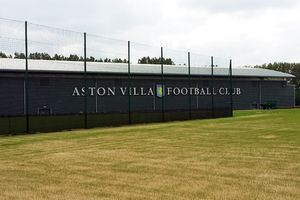


Depending on site layout, planning requirements, and pitch usage, facilities can choose between three primary structural options:
-
Fixed Steel or Aluminium Post Systems: High-strength posts permanently concreted into ground sockets with tensioned straining wire. Ideal for dedicated 3G/4G artificial turf pitches, stadiums, and school grounds requiring permanent protection.
-
Retractable Pulley Systems: Netting mounted on hoist ropes that can be raised during match days and lowered when not in use or during extreme weather conditions to reduce visual impact.
-
Temporary & Mobile Systems: Freestanding or socketed post systems that can be moved or dismantled seasonally, perfect for multi-sport grass fields and community events.
Browse Our Ball Stop Netting Solutions
Why Choose Huck Nets for Your Ball Stop Systems?
At Huck Nets, we bring decades of UK manufacturing expertise to sports perimeter protection.
-
Pioneering Knotless Technology: Our High-Tenacity Polypropylene (HTPP) knotless netting absorbs high-energy impacts without fraying or suffering stress failures at knot joints.
-
Weather & UV Resistance: Manufactured specifically for the UK climate, our sports netting is rot-proof, moisture-resistant, and UV-stabilised for maximum long-term durability outdoors.
-
Bespoke Manufacturing: We supply custom cut-to-size netting alongside complete post-and-wire hardware packages tailored to your site's exact height and length requirements.
Explore our full range of ball stop sports netting solutions today, or view our dedicated football netting and golf netting options. Alternatively, get in touch with our team to discuss your ball stop netting needs.
Order Durable Ball Stop Netting
FAQs
Do you need planning permission for ball stop netting in the UK?
Permanent ball stop structures exceeding 2 meters in height, particularly those positioned near public highways or residential boundaries, may require local authority planning permission. It is always best to consult your local council planning department before installing permanent posts.
What is the best material for outdoor ball stop netting?
High-Tenacity Polypropylene knotless netting is the industry standard for outdoor sports venues. It offers superior energy absorption, high weather resistance, and an aesthetically clean appearance compared to traditional knotted nets.
How high should a ball stop net be behind a football goal?
Standard behind-goal ball stop netting typically ranges between 4 meters and 6 meters in height. For artificial pitches, 3G/4G MUGAs, or pitches directly adjacent to busy roads or housing, heights of 8 meters to 10+ meters are frequently specified.
Can ball stop netting withstand high winds?
Yes. Unlike solid wooden hoardings or close-weave windbreak sheets, open-mesh sports netting allows air to pass through freely, dramatically reducing wind loading on support posts during severe weather.